Traveling to El Salvador? Pre-order your custom JEDA and get priority production + traveler pricing.



From Recycled Surfboards to International Waters: The Papaya Surf Story

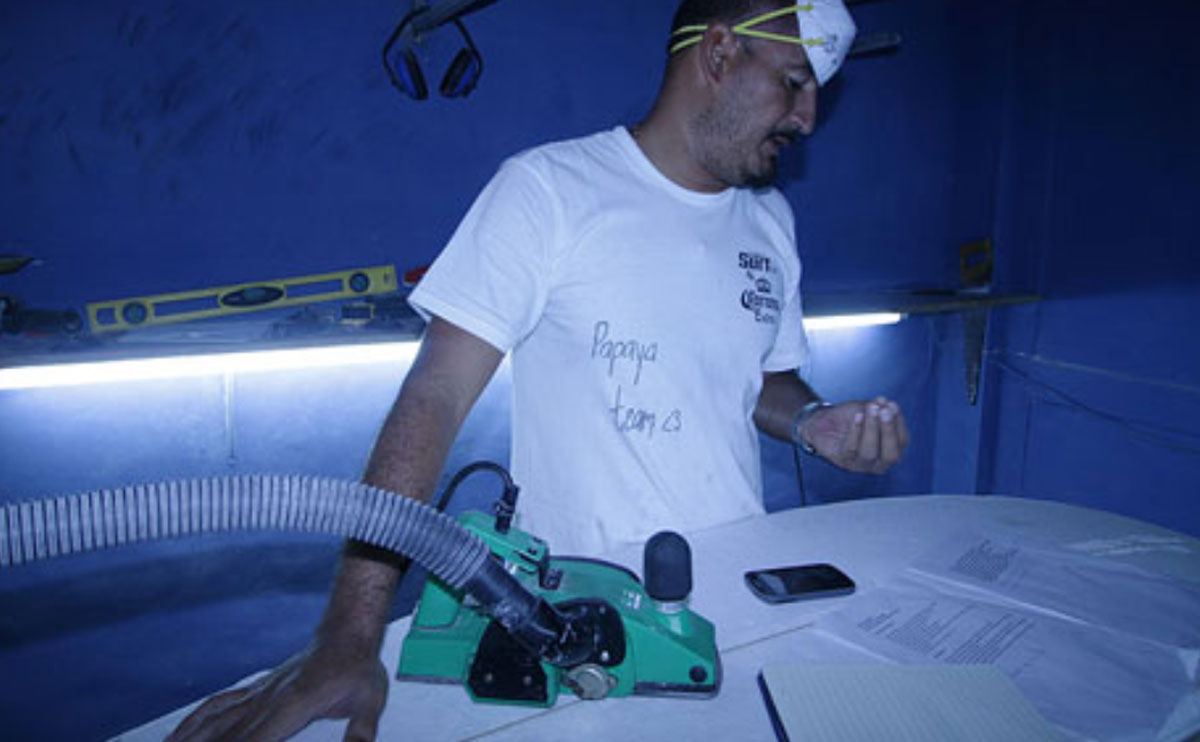
Every surfboard has a story, and some of the most meaningful stories begin with little more than determination, curiosity, and a passion for surfing.
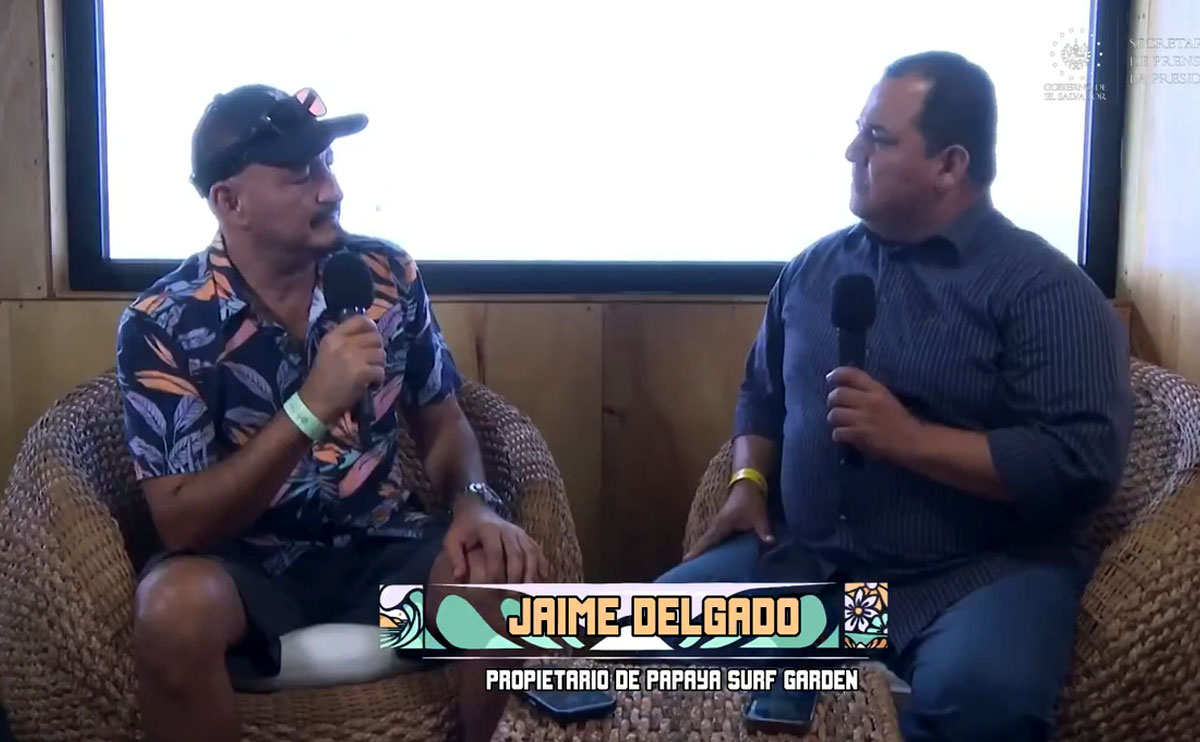
In an article published by Surf Skate El Salvador on September 4, 2021, Jaime “Papaya” Delgado shared the journey behind Papaya Surf Shop, the growth of local surfboard manufacturing, and his vision of surfing as an industry capable of creating opportunities throughout El Salvador.
From repairing broken boards to manufacturing surfboards for customers from around the world, Papaya’s experience illustrates how a passion for surfing can grow into a lifelong profession.
It All Started With a Broken Surfboard
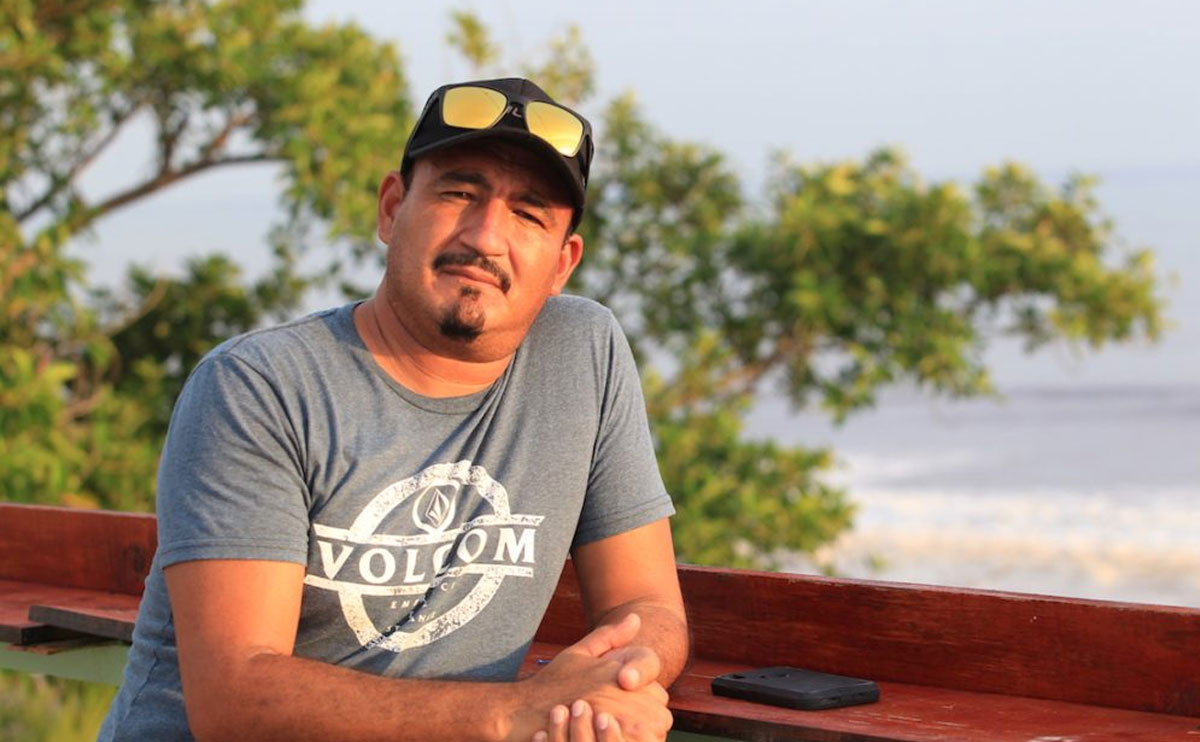
Long before operating a surfboard factory, Jaime Delgado was simply a young surfer trying to find a way to spend more time in the ocean.
During his early surfing years, boards were expensive and difficult to obtain in El Salvador. He often surfed borrowed equipment or boards that were already damaged.
Those circumstances encouraged him to learn how to repair surfboards. Eventually, he began recycling damaged boards and experimenting with creating his own shapes.
As friends noticed his work, they began asking him to make boards for them. That growing interest, together with experience working alongside a professional shaper, helped establish the foundations of his surfboard manufacturing journey.
What began with necessity eventually developed into the early Papaya Surf and JedaSurf identities.
One Surf Shop, Every Kind of Surfboard
One of the characteristics highlighted in the 2021 interview was the variety of surfboards available at Papaya Surf Shop in Playa El Tunco.
Rather than focusing on a single surfing style, the shop offered everything from small performance shortboards to fish designs, funboards, and traditional longboards.
At the time, Papaya described displaying approximately 30 to 40 boards, giving customers the opportunity to explore different shapes and understand what might work best for them.
A Board for Every Surfer
From modern performance designs to timeless
retro shapes, surfing offers a wide range
of possibilities. The right surfboard
depends on the surfer, the waves,
and the experience they want in the water.
The diversity of the shop reflected an important understanding: different surfers need different boards, and no single design is ideal for every condition or surfing style.
Custom Surfboards Begin With Understanding the Surfer
Another interesting aspect of the interview was the personalized approach used when manufacturing surfboards.
Before beginning a custom order, customers were asked questions to help establish their surfing profile and determine the most appropriate type of board.
This approach made it possible to recommend designs based on individual requirements rather than simply choosing a board from the available inventory.
Papaya also explained that traditional and retro designs continued to attract surfers, including shapes inspired by earlier decades of surfboard design.
Surfboard design continues to evolve, but the connection between a surfer and the right shape remains timeless.
Quality Materials and Local Craftsmanship
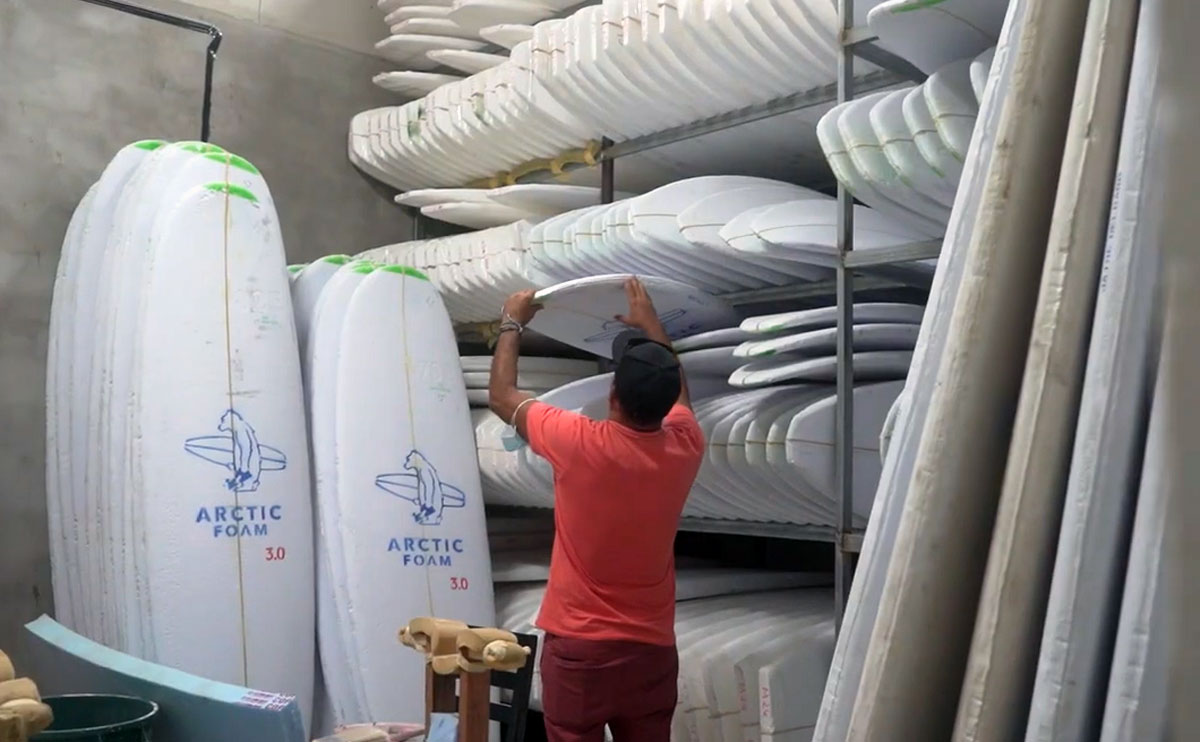
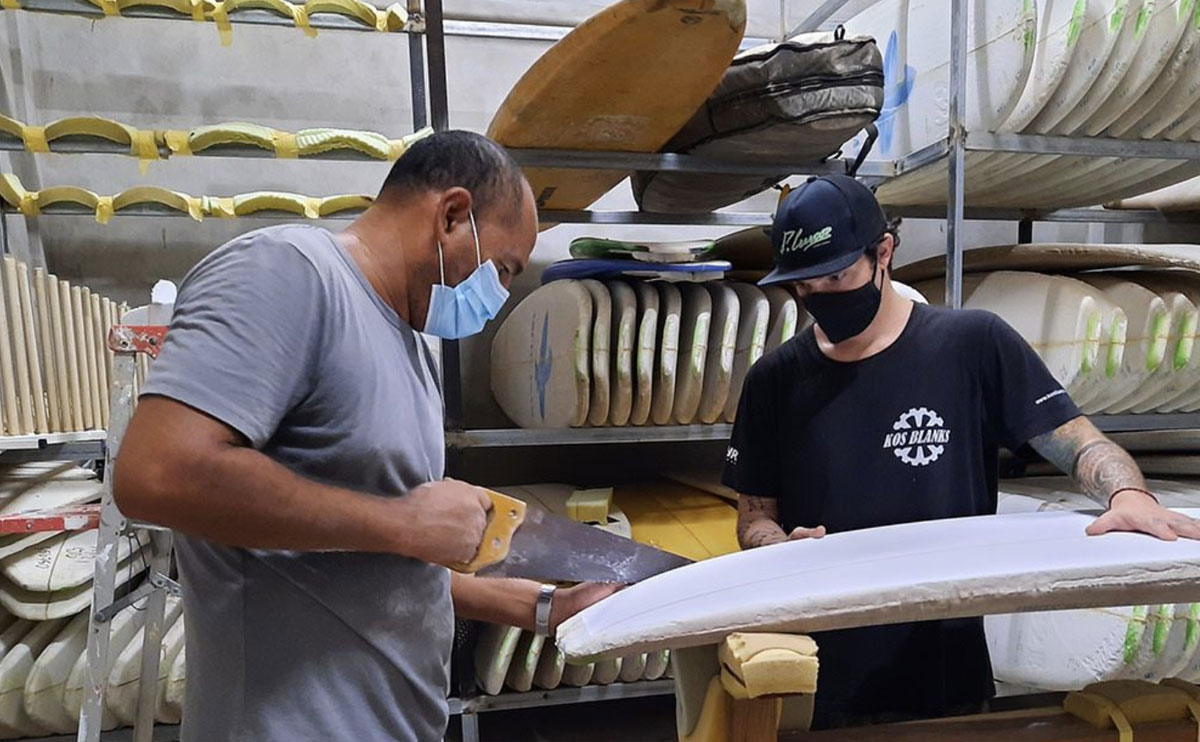
Manufacturing a surfboard requires more than shaping a foam blank. The materials, construction methods, and finishing process all influence the board’s performance, durability, and overall feel.
In the 2021 article, Papaya explained that his manufacturing operation used imported materials from the United States to maintain quality standards comparable to those used internationally.
The report described the use of surfboard foam, polyester resin, fiberglass, and established fin systems such as FCS and Futures.
That commitment to material quality helped establish the credibility of locally manufactured Salvadoran surfboards among both local surfers and international visitors.
From Playa El Tunco to International Waters
Although Papaya Surf Shop operated locally in El Salvador, its customer base extended beyond the country’s borders.
Visiting surfers from different countries discovered the shop while traveling through Playa El Tunco, creating opportunities for Salvadoran-made boards to reach international destinations.
In the interview, Papaya also discussed ambitions to expand into regional markets, including Guatemala and Nicaragua.
The presence of Salvadoran-built surfboards in the hands of international surfers demonstrated that local manufacturing could reach beyond its original community.
The Industry Behind the Waves
Throughout the interview, Papaya also emphasized the broader economic opportunities associated with surfing in El Salvador.
Surfing generates activity across many industries, from surfboard manufacturing and equipment rentals to hospitality, restaurants, transportation, and other tourism-related services.
He believed that greater promotion, business participation, and recognition of El Salvador’s waves could help the industry continue developing.
His perspective demonstrates how surfing can extend far beyond recreation, creating opportunities for local businesses, entrepreneurs, and communities.
The Legacy Continues With JEDA Surfboards
Today, the experience behind those early boards continues through JEDA Surfboards, developed and manufactured in El Salvador.
Combining decades of shaping knowledge with modern digital surfboard design, CNC precision shaping, premium materials, and hands-on craftsmanship, JEDA builds surfboards for a wide range of surfers and wave conditions.
From performance shortboards and versatile hybrids to fish designs, classic longboards, and noseriders, each JEDA model is developed with a specific purpose.
The tools and manufacturing techniques may have evolved, but the philosophy remains connected to the same idea that started everything: building better boards to enjoy the waves.
From recycled surfboards to modern digital manufacturing, JEDA carries forward a lifetime of surfing experience, innovation, and Salvadoran craftsmanship. Born in El Tunco. Built to surf.
This article is based on the interview “El surf te da para mucho”, featuring Jaime “Papaya” Delgado, published by Surf Skate El Salvador on September 4, 2021. The sections describing JEDA Surfboards today provide additional brand context.